Source Steel Tongue Drum for Music Therapy, Religious Rites, and Play
Explore 30 listings of steel tongue drums available for music therapy, religious rites, and play equipment. Buyers can compare customization options, dimensions, and pricing from suppliers in China.
Key considerations
Products List


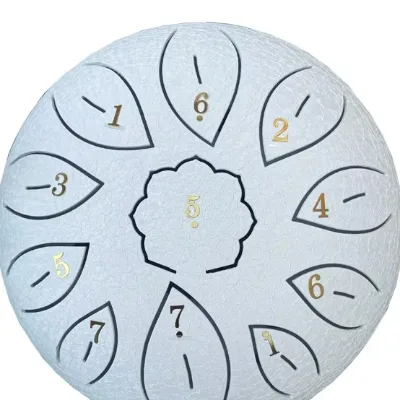
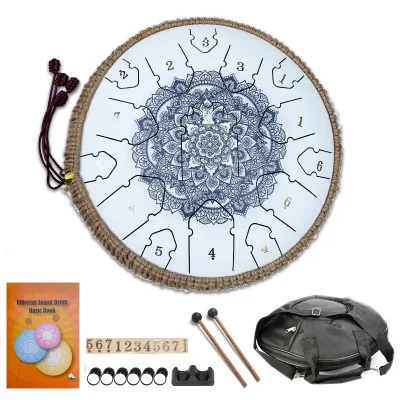
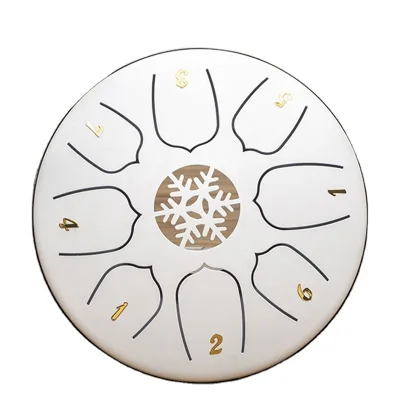
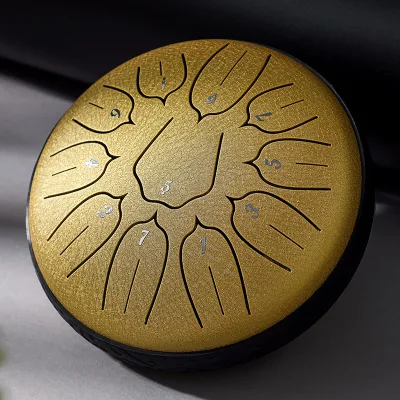
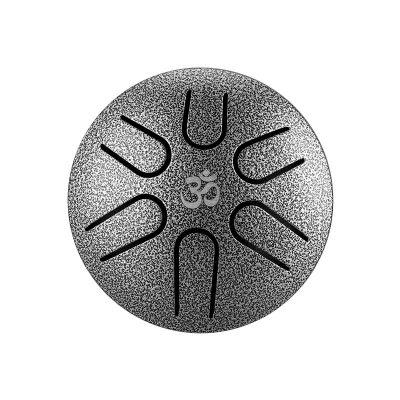
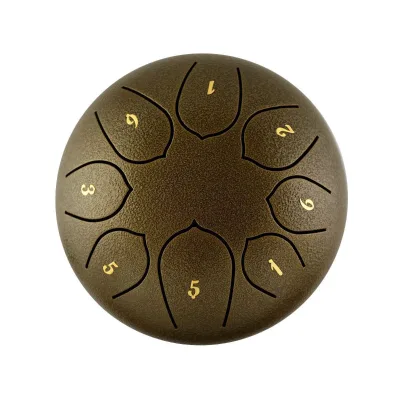
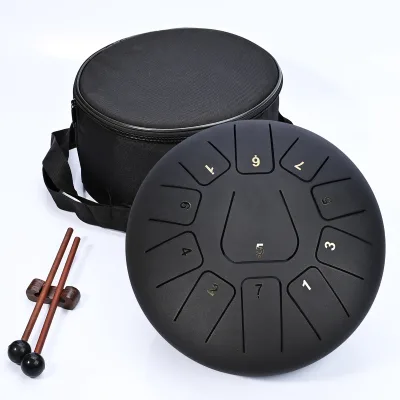


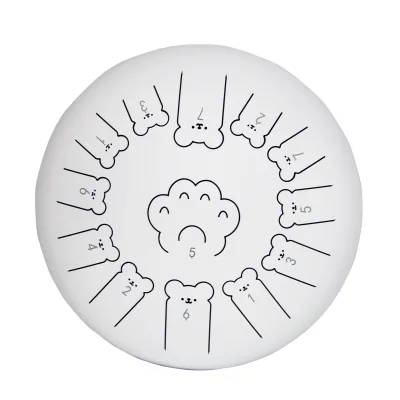
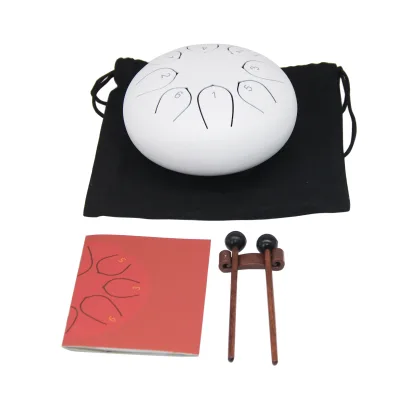
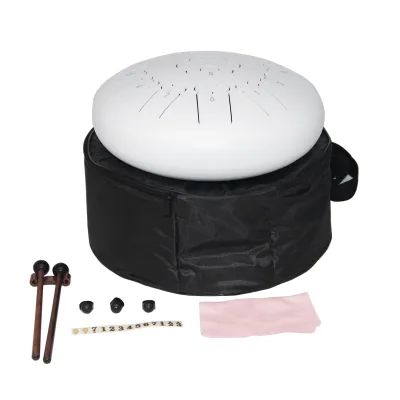

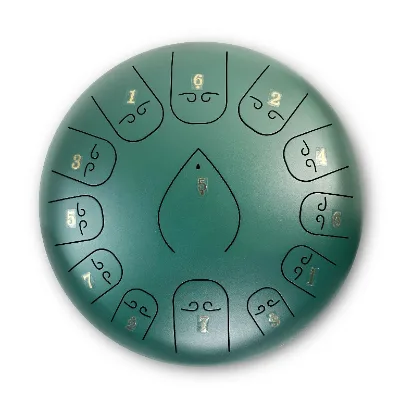
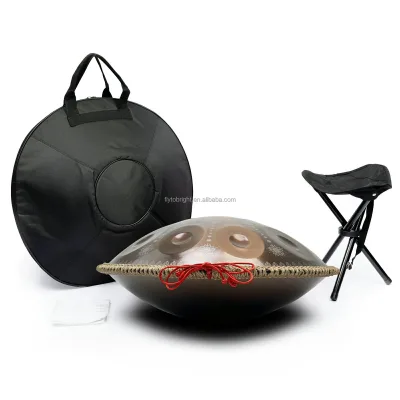
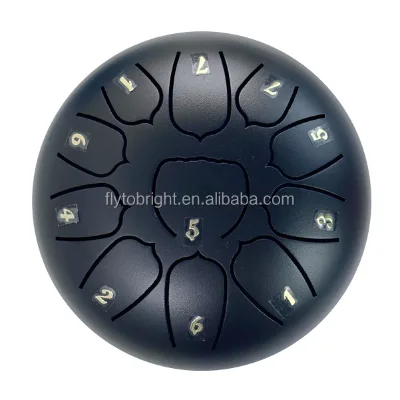
Comprehensive Sourcing Guide
Strategic Sourcing Guide for Steel Tongue Drums
The global market for percussion instruments has seen a significant surge in demand for steel tongue drums, driven by their accessibility for music therapy, ease of play, and distinct acoustic properties. For B2B procurement professionals, navigating this category requires a disciplined approach to verifying technical specifications, understanding cost drivers, and ensuring supplier reliability. This guide synthesizes observed market data and standard industry practices to provide a comprehensive framework for sourcing steel tongue drums effectively.
Technical Specifications and Material Composition
The foundation of any successful procurement strategy for steel tongue drums lies in a precise understanding of the technical specifications. The core material composition is a primary differentiator. Observed product data indicates that the drum chamber material is frequently specified as Stainless Steel or Carbon Steel. Stainless steel offers superior corrosion resistance and a brighter, longer sustain, while carbon steel provides a warmer tone but may require specific surface treatments to prevent rust. The drum heads material is consistently identified as steel, which is critical for the instrument's resonance and durability.
Dimensions and sizing are equally critical variables. The market exhibits a wide range of standard sizes, with observed specifications including 6-inch, 13-inch, and various metric measurements such as 5.5 inches, 8 inches, 10 inches, 12 inches, and 14 inches. Some listings also reference specific dimensional ratios like 3" x 1.8". The body shape is predominantly bowl-shaped, which influences the acoustic projection and the placement of the tongues. Buyers must verify the exact size and shape against their intended application, as smaller units (e.g., 6-inch) are often marketed as "Mini Hang Drums" suitable for travel or individual therapy, while larger units cater to group sessions or professional performance.
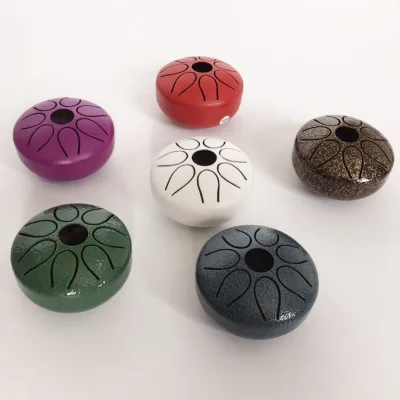
Furthermore, the number of tiers and structural design impacts the sound. Some products are described as having a double-layer structure, which can enhance the tonal complexity. The power mode for these instruments is universally "NO," as they are acoustic instruments that do not require external electricity. Color options vary significantly, ranging from standard finishes like grey, purple, yellow, green, white, and red to specific design sets (Design 1 through Design 4) and metallic finishes like gold and brown. Procurement teams should request physical samples to verify that the color finishes are applied uniformly and do not interfere with the instrument's vibration.
Compliance, Certification, and Safety Standards
When sourcing musical instruments for commercial or institutional use, compliance with safety and quality standards is paramount. While specific certification documents were not explicitly listed in the general product attributes, buyers must verify that suppliers adhere to international safety standards for children's products if the drums are marketed for younger demographics, or general product safety standards for adult use. The observed "Application Age" is listed as "Adult," suggesting that these units are generally designed for mature users, which may exempt them from certain child-safety regulations but still requires adherence to general manufacturing safety protocols.
Suppliers should be able to provide documentation regarding the chemical composition of the steel used, particularly if the drums are intended for export to regions with strict heavy metal regulations. The "prod_standard" field in the data shows a variety of size-based standards (e.g., 6"/8"/10"), but these appear to be internal sizing conventions rather than external regulatory certifications. Buyers must explicitly request third-party test reports to confirm that the materials are free from harmful substances and that the manufacturing process meets the safety requirements of the destination market. Additionally, the "prod_packing" details, such as "Box" or "Carton Box," must be evaluated to ensure they meet shipping safety standards to prevent damage during transit, which is a critical component of the product's compliance with delivery expectations.
Cost Drivers and Pricing Dynamics
The pricing structure for steel tongue drums is influenced by several interconnected factors. The observed price range in the market spans from $4.26 to $158 USD, a wide disparity that reflects differences in material quality, craftsmanship, customization levels, and order volume. The primary cost driver is the raw material; stainless steel is generally more expensive than carbon steel due to its durability and resistance to oxidation. The complexity of the tongue cutting process also affects cost, as precision laser cutting or hand-hammering requires higher labor inputs.
Customization is a significant variable in pricing. The data confirms that "Customization" is available and that "OEM or ODM" services are welcomed. Products that feature imprinted logos, custom color schemes, or unique tuning scales will command a premium over standard off-the-shelf units. The "MOQ" (Minimum Order Quantity) observed ranges from 1 to 500 units. Suppliers with lower MOQs (e.g., 30 PCS or even single items) often charge a higher unit price to cover setup costs, whereas bulk orders can leverage economies of scale to reduce the per-unit cost. Buyers should analyze the total cost of ownership, including shipping, duties, and packaging, rather than focusing solely on the unit price. The "Supply Ability" of 50,000 sets per month indicates that some suppliers have the capacity for large-scale orders, which can stabilize pricing for high-volume procurement.
Typical Applications and Market Segmentation
Steel tongue drums serve a diverse range of applications, which dictates the specific features buyers should prioritize. The observed "Usage" categories include "Religious Rites" and "Music Therapy." In the context of music therapy, the instrument's non-threatening, meditative sound makes it ideal for clinical settings, schools, and wellness centers. The "User Number" is noted as ">1 Person," suggesting these instruments are often used in group therapy sessions or communal gatherings.
For religious or ceremonial use, the aesthetic and acoustic properties are paramount. The "Body Shape" of the bowl and the specific tuning of the tongues create a resonant sound that is often associated with spiritual practices. The "Type" of product is broadly categorized as a "Drum set" or "Drumstick" accessory, indicating versatility in how they are played and integrated into larger musical ensembles. The "Feature" of being "non slip" is particularly relevant for therapeutic settings where the instrument may be handled by individuals with limited motor control or used in environments where stability is crucial. Buyers should align their product selection with the specific end-use case, ensuring the size, weight, and sound profile match the intended environment.
Supplier Evaluation and Operational Capabilities
Evaluating a supplier for steel tongue drums requires a deep dive into their operational capabilities and geographical location. The "prod_origin" and "Place of Origin" data points to China, specifically Guangzhou and Guangdong, which are major manufacturing hubs for musical instruments. This concentration of supply offers buyers access to a robust ecosystem of raw material suppliers and skilled labor. However, it also necessitates rigorous due diligence to ensure quality consistency.
Key evaluation criteria include the supplier's "Supply Ability," which has been observed at 50,000 sets per month, indicating the potential for scaling orders. The "Port of dispatch" is listed as Guangzhou, which is a strategic logistical advantage for international shipping. Buyers should verify the supplier's experience with OEM and ODM requests, as the data confirms these services are welcomed. The ability to imprint logos and customize designs is a critical differentiator for brands looking to establish a unique market presence. Furthermore, the "Selling Units" being listed as "Single item" suggests that some suppliers are flexible with order sizes, which can be beneficial for testing the market before committing to large volumes.
Quality Control and Inspection Protocols
Implementing a robust quality control (QC) protocol is essential to mitigate risks associated with importing musical instruments. Given the variation in "prod_standard" and the manual nature of drum construction, visual and acoustic inspections are mandatory. Buyers should verify that the "Drum Chamber Material" matches the specification (Stainless Steel vs. Carbon Steel) and that the "Drum Heads Material" is consistent across the batch. The "Color" consistency is another critical QC point, as variations in paint or powder coating can indicate poor quality control.
Inspection should also cover the structural integrity of the "Box" or "Carton Box" packaging. The "Packing Details" must ensure that the drums are protected from impact and moisture during transit. For acoustic instruments, tuning accuracy is a non-negotiable quality metric. Buyers should request that suppliers provide a tuning certificate or perform a pre-shipment acoustic test to ensure the notes are in harmony. The "Feature" of being "non slip" should be tested to ensure the surface texture provides adequate grip. Establishing a clear acceptance criteria document based on these observed attributes will help maintain product quality and reduce returns.
Long-Term Procurement Considerations
Sourcing steel tongue drums is not merely a transactional exercise but a strategic partnership that requires long-term planning. The availability of "Customization" and "OEM/ODM" services suggests that buyers should aim to build a relationship with suppliers who can grow with their brand. As the market evolves, the ability to adapt product designs, such as changing the "Body Shape" or introducing new "Color" options, will be vital for maintaining competitiveness.
Buyers should also consider the sustainability of the supply chain. Verifying the source of the steel and the environmental practices of the manufacturing facility in Guangzhou or Guangdong can enhance the brand's reputation. The "MOQ" flexibility observed (ranging from 1 to 500) allows for a phased procurement strategy, where initial orders are small to test the market, followed by larger orders as demand stabilizes. Finally, maintaining open communication regarding "Lead Times" and "Port of Dispatch" ensures that inventory levels are managed effectively, preventing stockouts during peak demand periods. By focusing on these long-term factors, buyers can secure a reliable supply of high-quality steel tongue drums that meet both functional and commercial objectives.
FAQs
What materials are used for the drum chamber?
The drum chamber is typically made from stainless steel or carbon steel. Stainless steel offers superior corrosion resistance, while carbon steel provides a warmer tone but may require surface treatments to prevent rust.
Can I get a custom logo imprinted on the drum?
Yes, logo imprinting is available for customization. OEM and ODM services are welcomed, allowing buyers to add their branding to the instrument for unique market differentiation.
What are the standard size options for these drums?
Standard sizes include 6, 8, 10, 12, and 14 inches, along with specific ratios like 3 by 1.8 inches. Smaller units are often marketed as mini hang drums suitable for travel or individual therapy.
What is the minimum order quantity for bulk purchases?
The minimum order quantity ranges from 1 to 500 units depending on the supplier. Some vendors accept single items for testing, while others require a minimum of 30 pieces for standard orders.
Where are these steel tongue drums manufactured?
These instruments originate from China, specifically Guangzhou and Guangdong regions. These locations are major manufacturing hubs that offer a robust ecosystem for musical instrument production and export.
Are these drums suitable for music therapy applications?
Yes, they are explicitly designed for music therapy and religious rites. The acoustic properties and non-threatening sound make them ideal for clinical settings, schools, and wellness centers.